
The Power of Listening: How to Be There for Someone in Need

The Power of Listening: How to Be There for Someone in Need

When someone is struggling with their mental health, they don’t always need advice or solutions—sometimes, they just need someone to listen. Being a good listener can make a huge difference to someone who is feeling overwhelmed, anxious, or depressed. It helps them feel heard, understood, and less alone. But listening isn’t just about staying quiet while the other person speaks; it’s about creating a space where they feel truly supported.

If you’ve ever wanted to help someone but weren’t sure what to say, this guide will show you how to offer support simply by listening.

Why Listening Matters

When people are struggling with their emotions, they often hesitate to open up. They might fear being judged, worry about being a burden, or feel like no one will understand. By offering a listening ear, you provide them with a safe space to express their feelings without fear of criticism.

Good listening can:

  • Help someone process their emotions.
  • Make them feel valued and supported.
  • Strengthen your relationship with them.
  • Encourage them to seek further support if needed.

Even if you can’t fix their problems, simply being there can be incredibly comforting.

How to Be a Supportive Listener

  1. Create a Safe Space
    • Choose a quiet and private place where the person feels comfortable.
    • Minimise distractions—put your phone on silent and focus entirely on them.
    • Let them know you’re there for them and that they can share as much or as little as they want.
  2. Listen Without Interrupting
    • Resist the urge to jump in with advice or personal experiences.
    • Give them time to speak without finishing their sentences or offering solutions.
    • Use simple affirmations like “I hear you” or “That sounds really tough” to show you’re engaged.
  3. Validate Their Feelings
    People often feel invalidated when they hear phrases like “Don’t worry, it’ll get better” or “Everyone feels like that sometimes.” Instead, try validating their emotions by saying things like:
    • “That sounds really difficult. I can see why you feel that way.”
    • “I’m here for you, no matter what.”
    • “It’s okay to feel like this. You don’t have to go through it alone.”

Validation reassures them that their feelings are real and that they are not overreacting.

  1. Use Open-Ended Questions
    If someone is struggling to express themselves, open-ended questions can encourage them to share more:
    • “How have you been feeling lately?”
    • “What’s been on your mind the most?”
    • “Would you like to talk more about that?”

Avoid questions that can be answered with a simple “yes” or “no,” as they might shut down the conversation.

  1. Pay Attention to Body Language
    Listening isn’t just about words—your body language can show whether you’re truly engaged.
    • Maintain gentle eye contact, but don’t stare.
    • Nod occasionally to show you’re following along.
    • Avoid crossing your arms, looking at your phone, or appearing distracted.

A warm, open posture can make someone feel safe and supported.

  1. Respect Their Silence
    Sometimes, people need a moment to gather their thoughts. Don’t feel pressured to fill every silence—just sitting with them in their moment of difficulty can be powerful.
  2. Ask How You Can Help
    Instead of assuming what they need, ask:
    • “What can I do to support you right now?”
    • “Would you like me to just listen, or do you want advice?”
    • “Is there anything practical I can do to help?”

This allows them to take control of their support needs.

  1. Encourage Professional Support if Needed
    If the person is struggling with serious mental health issues, gently encourage them to seek professional help. You could say:
    • “You don’t have to go through this alone. Have you thought about speaking to a professional?”
    • “I can help you find some resources if that would be helpful.”
    • “There are groups like Brighter Horizons that offer support in a safe and welcoming environment.”

Avoid pushing too hard—ultimately, it’s their choice.

The Impact of Simply Being There

You don’t need to have all the answers to make a difference in someone’s life. Just showing up, listening without judgment, and offering kindness can be enough.

If someone you care about is struggling, remind them they are not alone. Sometimes, the best thing you can do is simply sit beside them, hold space for their emotions, and remind them that their feelings matter.

Check out our resources page for information on support services available if you’re worried.
Some Really Bad Advice…

Some Really Bad Advice…

Heads up, This article is a bit of a rant…

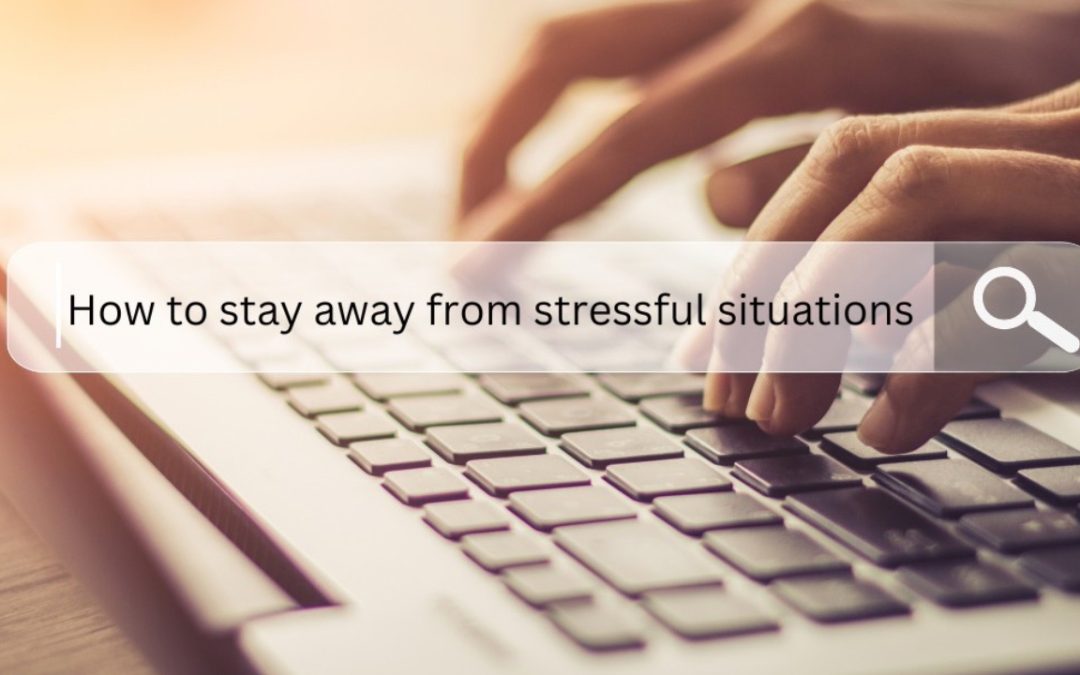
A friend of mine went to the doctor recently with various health issues and was told that they should “avoid stressful situations”. This advice, in my opinion, is about as much use as a chocolate fireguard. Actually, it’s worse. It’s not only useless advice, I’m calling it out as harmful advice (*see disclaimer below).

What  are we meant to do when we see the bodies piling up in Gaza? What are we meant to do when we read of cases of child abuse or of homeless people dying in the cold?

What are we meant to do with financial pressures or simply the ups and downs of life, loved ones dying, being in relationships, having kids or not having kids?

[What are we meant to do when we realise we’ve sent an email to our ENTIRE mailing list with the subject heading “blank” and no content?] Yes, I did this yesterday

What are we meant to do when our kids are having a meltdown or we get rejected for a job or we’re in a caring role for a loved one who is mentally or physically unwell?

To be told to “avoid stressful situations” is like being told to separate yourself from humanity; drop your compassion or that somehow you are responsible for controlling the world around you to be happy clappy at all times.

“Avoid stressful situations” is as unrealistic and disempowering as it comes.

Life is stressful. If you have asthma the thought of your next breath might be stressful; if you’re 8 months pregnant, the next 6 weeks may feel a little stressful; if you’re trying to conceive, moments of lovemaking are going to be stressful. If you don’t want to have kids and you feel society pressure and opinion weighing on you, that will be stressful. If you’re faced with your parents’ death and you know there will be squabbles over inheritance then that will be stressful.

Stress ain’t the issue. It’s how we meet it that makes the difference. And in meeting the small stresses of life we can be equipped for the big ones.

My advice–if you find yourself in a stressful situation–be kind to yourself, stay compassionate to yourself and others. You can do this without falling into the drama of a story, you don’t need to feed the stress, but jeez, give yourself permission to be where you are. If you’d like to learn some tools to STAND STEADY in stress then reach out.

𝙀𝒎𝙢𝒂 𝒙

*first disclaimer to the above: I know it’s not intentionally harmful advice

**second disclaimer: If you are a lion tamer or a motorbike stunt person or a stockbroker or a soldier, then these are possible examples where you could make a lifestyle choice to avoid a stressful situation!

Emma Grant – Therapist & Mindfulness Practitioner

Emma Grant helps chronic worriers find calm, clarity, and connection through a unique blend of talking therapy, mindfulness, and breathwork. Having navigated her own journey of healing—from childhood trauma to self-discovery—she offers a compassionate, heart-led approach to therapy.

Qualified in counselling, mindfulness, breathwork, and stress management, Emma combines Gestalt, CBT, and person-centred approaches to help clients breathe more easily, stop overthinking, and build healthier relationships.

Visit Heartfeltchange.co.uk


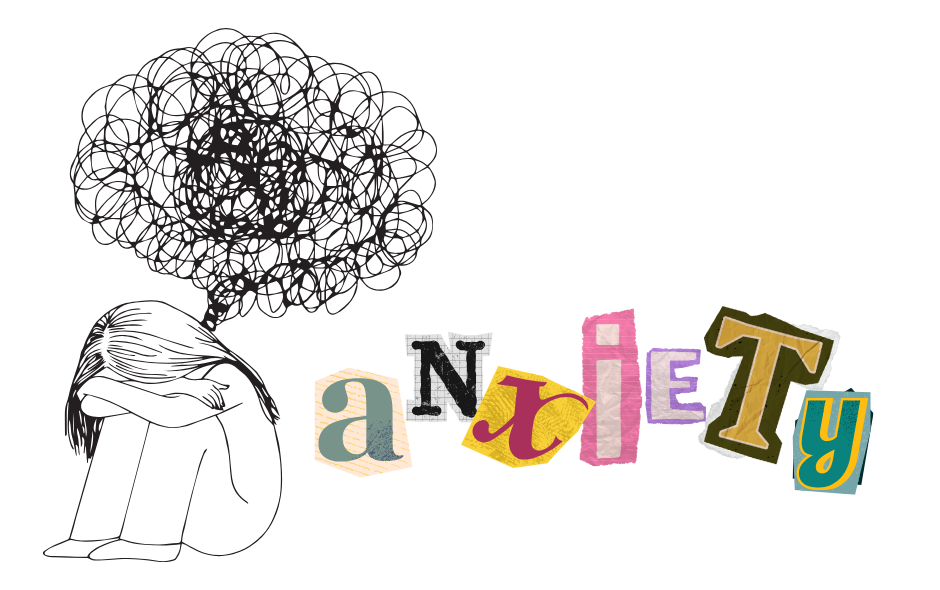
How do you spell anxiety?

How do you spell anxiety?

A

Anticipatory anxiety can come when you start to think about a phobia (flying, spiders, heights) or can come as butterflies in your stomach before you speak at a meeting, make a presentation or before a difficult conversation

N

Nervous system responses: your sympathetic nervous system is stimulated when you are anxious—fight, flight, freeze responses. This leads to physical symptoms such as heart palpitations, whooshing in your ears, sweaty palms, tightness at the throat or a churning or heaviness in your stomach.

X

Fragile X syndrome, the most common inherited form of intellectual disability, is associated with anxiety, attention deficit hyperactivity disorder, impulsivity, autism, mood instability, and aggression

I

I used to experience a jolt of anxiety every time I heard a siren. My body would jump back to the feeling of ambulances arriving when mum was psychotic. A well-meaning friend suggested that I could reframe this: “The siren was me being rescued.” But it didn’t feel like that at the time. The sirens’ meant Mum was in danger, I had failed her by not keeping her well by calling the doctor; sirens meant a peak was being reached followed by the sadness, darkness of depression. 
Anxiety can come up as a response to an immediate situation or as a trigger from something that happened in your past (when your response in the moment is way above what is happening.) Rather than reframing–and in effect telling myself I was wrong to feel how I was feeling–I chose to meet the feelings of vulnerability, sadness and lack of control. Over time this has allowed my body to come to terms and update my response to be relevant to the actual moment

E

Emotions associated with anxiety include fear, nervousness, worry, restlessness, panic, feeling overwhelmed, a sense of dread or unease.

T

Take a breath if you experience anxiety. Take some even breaths, count 4 in and 4 out, and again and again and again.

Y

You can use your breath to support you when you START to feel anxious; WHILE you are feeling anxious and AFTER you have had a period of anxiety. Regular, conscious breathing literally stimulates your vagus nerve which tells your body you are OK.

Anxiety isn’t something to be ignored, reframed, or pushed away—it’s something to be met with compassion and presence. Our minds and bodies are constantly communicating, and when we start to listen rather than resist, we create space for healing. Through mindfulness and breathwork, we can gently shift our nervous system, allowing ourselves to move from fear and overwhelm to calm and clarity.

If anxiety feels like a constant weight, know that you are not alone, and you are not broken—your body is simply seeking safety. With regular mindfulness practice, small but powerful shifts can happen.

Emma Grant – Therapist & Mindfulness Practitioner

Emma Grant helps chronic worriers find calm, clarity, and connection through a unique blend of talking therapy, mindfulness, and breathwork. Having navigated her own journey of healing—from childhood trauma to self-discovery—she offers a compassionate, heart-led approach to therapy.

Qualified in counselling, mindfulness, breathwork, and stress management, Emma combines Gestalt, CBT, and person-centred approaches to help clients breathe more easily, stop overthinking, and build healthier relationships.

Visit Heartfeltchange.co.uk